Emergency Lighting
Emergency Lighting Maintenance
At CPS we test and maintain emergency lighting for commercial, industrial and public sector buildings, helping keep people safe and your premises compliant.
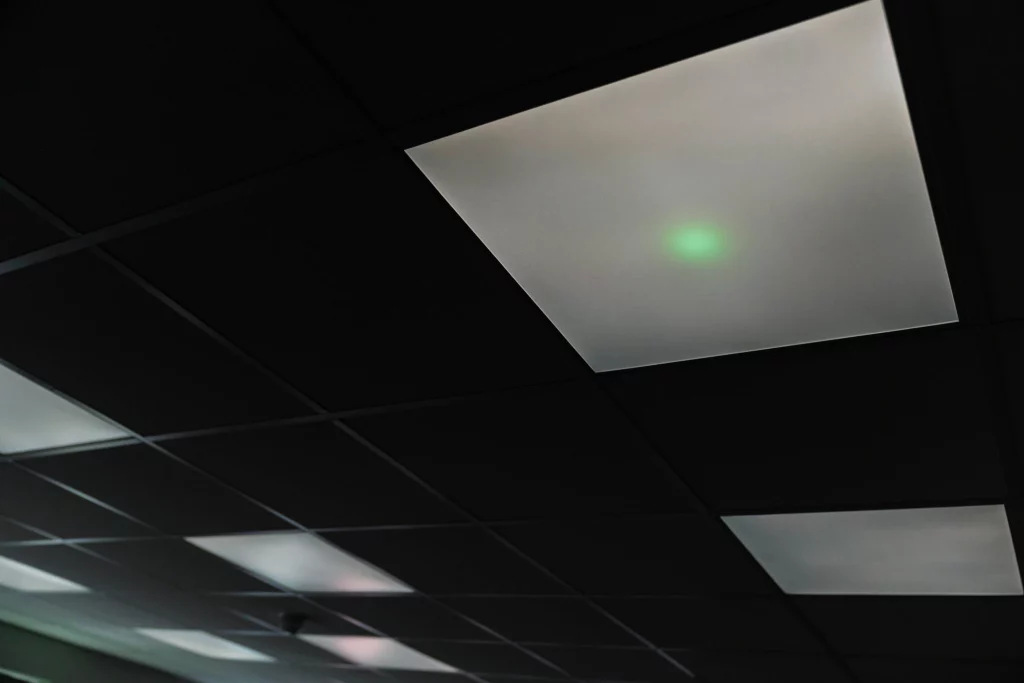
Emergency lighting has one job: to work when everything else doesn’t.
During a power failure, fire or other emergency, emergency lighting helps people find escape routes and leave the building safely.
Our engineers test and maintain systems in line with BS 50172, helping you meet your responsibilities and giving you confidence that your lighting will work when it matters.
Emergency Lighting Solutions for Every Business
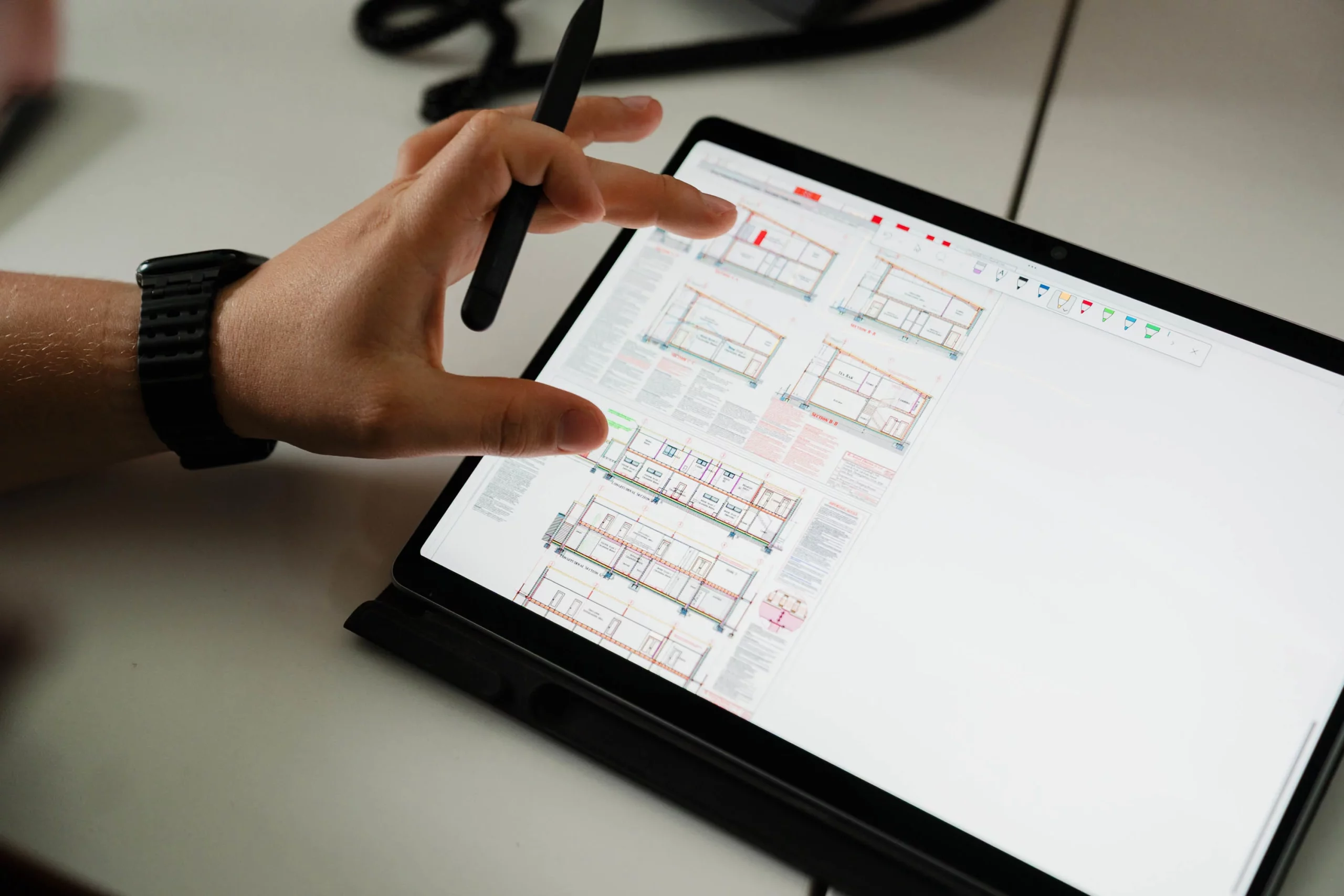
Every building has different emergency lighting requirements. We can assess your existing system, carry out the annual test and provide clear advice on any issues identified.
Initial System Assessment
We can visit your premises to review your existing emergency lighting system and advise on the testing and any requirements identified.
Annual Full-Duration Tests
Three-hour discharge testing to confirm your emergency lighting operates for its required duration, with clear reporting once complete.
Results & Recommendations
Clear test results highlighting any faults or issues identified, with practical advice on any remedial work that may be required.
Know Your Emergency Lighting Is Compliant
Not sure whether your existing system meets current requirements? Our engineers can assess your emergency lighting, identify any issues and recommend what needs to happen next.
Security Lighting
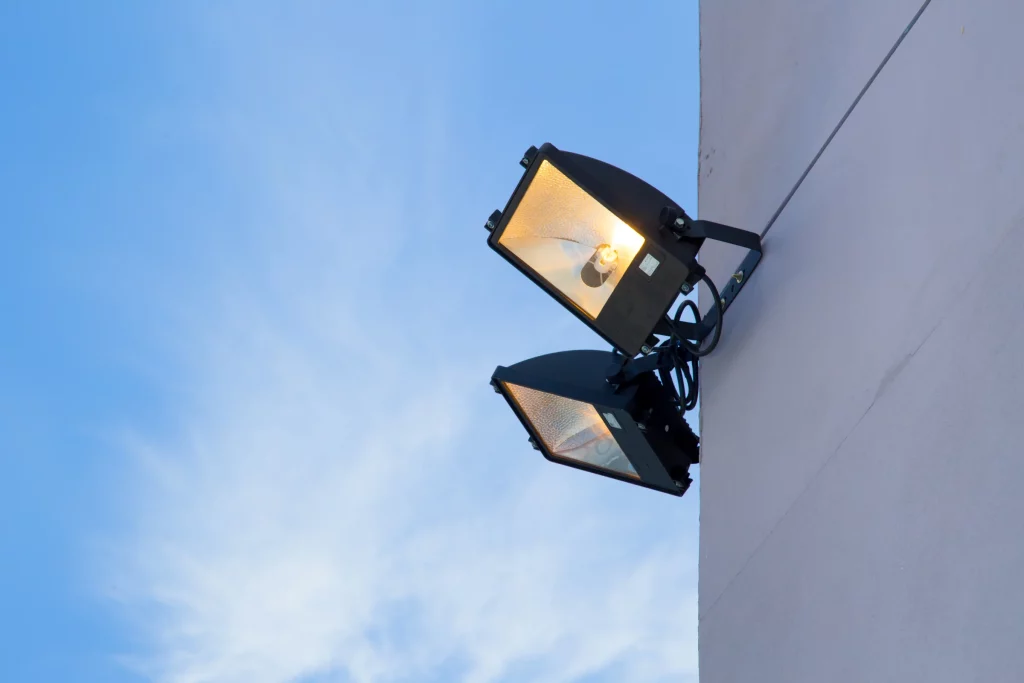
We also design and install security lighting to deter intruders, improve visibility and protect commercial premises.
Our security lighting solutions include:
- External LED Security Lighting
- PIR Motion-Activated Lighting
- Building & Access Point Illumination
- Linked CCTV & Security Lighting Systems
FAQs
Is emergency lighting a legal requirement?
Yes. Most non-domestic premises are legally required to have suitable emergency lighting in place under the Regulatory Reform (Fire Safety) Order 2005. Emergency lighting helps occupants safely evacuate a building during a power failure, fire, or other emergency.
How often should emergency lighting be tested?
Emergency lighting should be visually checked every month and undergo a full-duration test at least annually. Regular testing helps ensure batteries, fittings and escape route lighting will operate correctly when needed.
What is a full-duration emergency lighting test?
A full-duration test involves running the emergency lighting system on battery power for its rated period, typically three hours. This confirms the batteries can provide adequate illumination throughout an emergency evacuation.
Who is responsible for emergency lighting compliance?
The Responsible Person for the premises, such as a business owner, facilities manager, landlord, or building manager, is responsible for ensuring emergency lighting systems are properly maintained, tested and compliant.
Do you provide emergency lighting maintenance contracts?
Yes. We offer flexible maintenance agreements that include routine inspections, testing, reporting and remedial works, helping businesses stay compliant and avoid unexpected failures.

Need Emergency Lighting Maintenance or Testing?
Make sure your emergency lighting is compliant and ready when it’s needed.

additional Security Services
An All-In-One Security Solution
Fire, security and monitoring don’t exist in isolation. Our services are designed to connect, scale and support each other, all managed by one trusted provider.